Four kinds of programs, four different route problems.
The filing process is the same for everyone. What changes is what sits under the route: a helipad, a transmission line, a loading yard, or a small team with no one to watch NOTAMs.
Health systems need routes that respect the helipad.
Typical need
Lab specimens and pharmacy orders moving between campuses several times a day, often launching from a site a few hundred feet from a hospital helipad, and crossing busy streets and parking structures.
How we do it
- Map helipads and approach paths at every campus, then route around them.
- Survey rooftop and parking-deck sites for clearance and foot traffic, which feeds the over-people analysis.
- Write the helipad coordination contact sheet and lost-link procedures into your route SOPs.
Inter-campus routes (sample)
| Route | Length | Status |
|---|---|---|
| Main campus → Outpatient lab Specimens | 2.6 mi | Authorized |
| Main campus → Cancer center Pharmacy | 4.1 mi | Waiver drafting |
| Cancer center → Clinic East Pharmacy | 3.3 mi | Survey scheduled |
| Main campus → Regional lab Specimens | 7.8 mi | No-go, helipad |
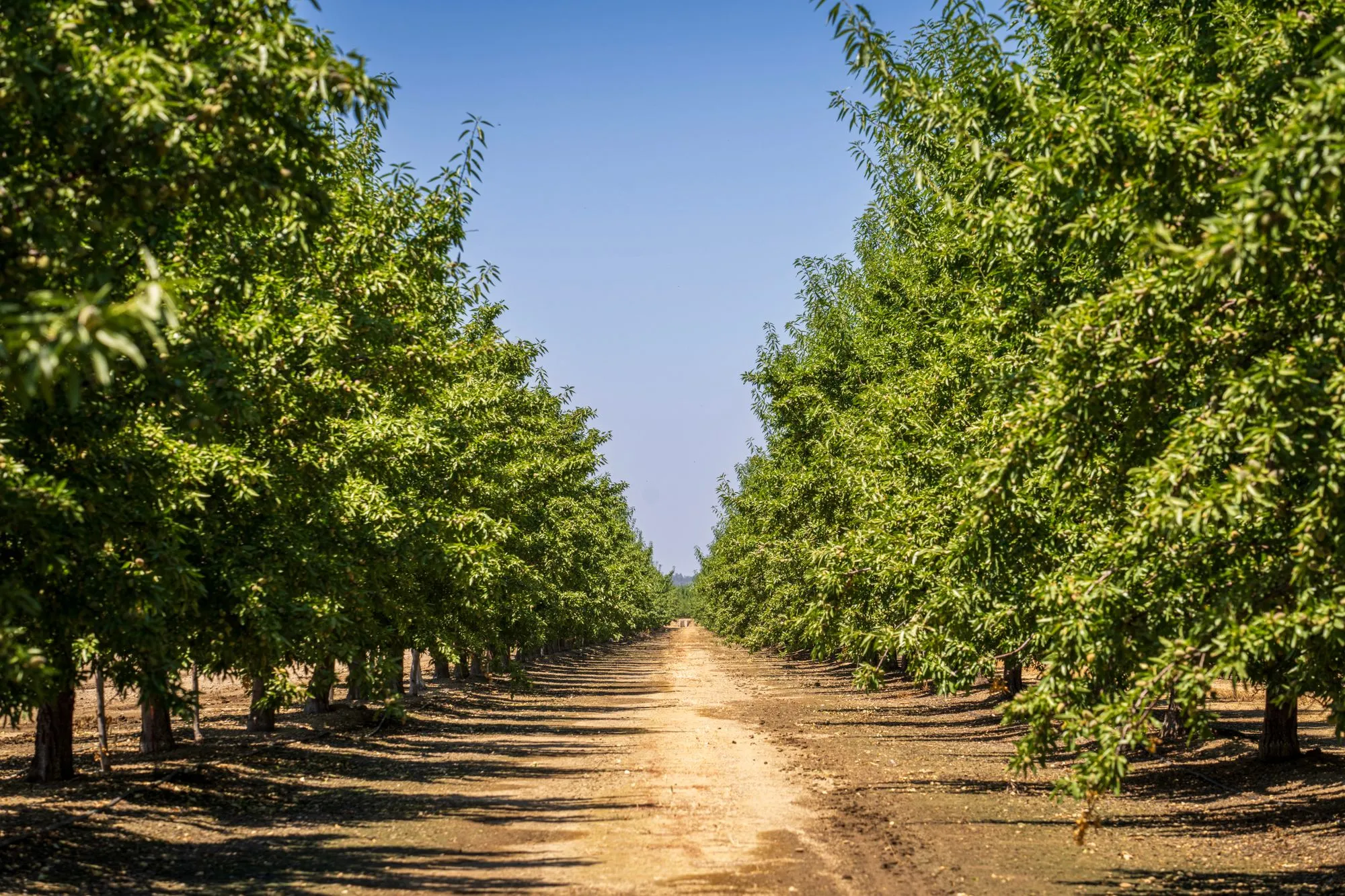
Ag routes are long, low and full of wires.
Typical need
Agricultural service companies and equipment dealers sending replacement parts out to remote fields, where a breakdown during harvest costs hours of driving. Routes are often beyond visual line of sight.
How we do it
- Survey transmission and distribution lines, irrigation pivots, windbreaks and grain elevators along the corridor.
- Pick drop points with clear approaches and a mapped emergency landing spot.
- Build the BVLOS (107.31) waiver around the low population density and measured obstacle heights.
Campus routes are short, and the people are the hard part.
Typical need
Warehouse and logistics operators moving parts, samples or small parcels between buildings, yards and nearby sites. Distances are short, but routes cross loading docks, parking lots and walkways with constant ground traffic.
How we do it
- Observe foot and vehicle traffic at each pad during real shift hours.
- Lay out pads with marked clearance and a hold area for staff.
- Check radio signal around steel buildings and racking, where links drop.
- Check whether a nearby airport puts the campus in controlled airspace, and file through LAANC if so.
Small operators get an airspace desk without a new hire.
Typical need
Drone service companies with 1 to 20 aircraft that win a delivery pilot contract and now need waiver paperwork, route files and daily airspace checks, with no full-time compliance person on staff.
How we do it
- Prepare the waiver package in your company's name, using your aircraft and your pilots.
- Deliver KML and GeoJSON routes that import into the flight and fleet software you already run.
- Take over daily NOTAM and TFR checks and renewals on the monthly plan, from $750 for up to 3 routes.